Why Process Shapes Security Culture

Most conversations about security culture focus on awareness—training people, sending reminders, and explaining why security matters. These efforts raise understanding, but behavior changes when security is built into how work actually happens.
That is where process comes in.
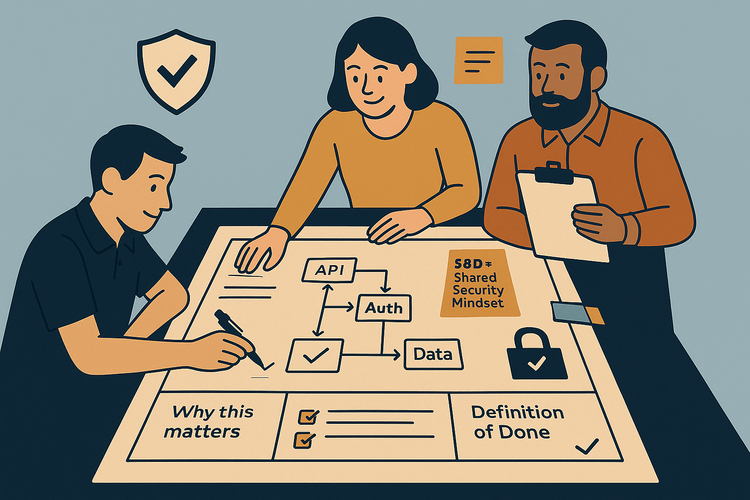
Process lives inside daily work. It shapes timing, decisions, and responsibility by showing people how security fits into their role rather than asking them to remember it later. When workflows are clearly designed and documented, consistency becomes shared. What begins as individual practice turns into organizational habit, and that is where culture starts to take shape.
When security becomes part of everyday workflows, it feels natural. Teams move through steps that already account for risk, choices follow a familiar path, and work carries both structure and meaning. Over time, repetition builds confidence, and confidence becomes instinct.
A well-designed process does more than guide actions; it teaches thinking.
Each step quietly answers important questions: why a check exists, why an approval matters, and why a decision belongs at a particular point in the workflow. That “why” travels with the process. People absorb it through practice rather than instruction, and security becomes part of quality work instead of a separate activity.
Consistency Creates Continuity
Processes also create continuity.
As teams grow and roles change, documented workflows preserve knowledge and reinforce how security is meant to be practiced. They carry expectations forward, protect the organization from relying on memory alone, and make progress repeatable and scalable. Culture thrives when behavior stays consistent across time, people, and projects, and this is how security moves from effort to routine.
Every Process Teaches Something
This is why process sits at the center of real culture change.
Every workflow sends a message. Every handoff teaches a lesson. Every decision path shapes habits. Whether intentionally designed or left to chance, processes already influence how people think about security. They define what feels important, what feels optional, and how responsibility shows up in daily work.
A Question for Leaders and Teams
So the question becomes practical:
What do your current processes say about security?
Do they make good decisions easier?
Do they support ownership?
Do they reflect the values you want your teams to practice?
Culture grows from what people do every day, and what people do every day comes from process.
Security culture begins with designed and documented process: the design of workflows, the design of responsibility, and the design of how work moves forward. When process carries purpose, mindset follows.
What your teams do every day is already shaping your security culture. Make sure it’s a culture you are intentionally aligned with.